At GUTS, we work through projects and research lines. Our main ambitions are highlighted on the front page. Below, you will find brief descriptions of our projects aligned with these ambitions, along with the team members involved.
1. Improve gastrointestinal cancer treatment by optimizing histological diagnoses
Tumor budding: international consortium
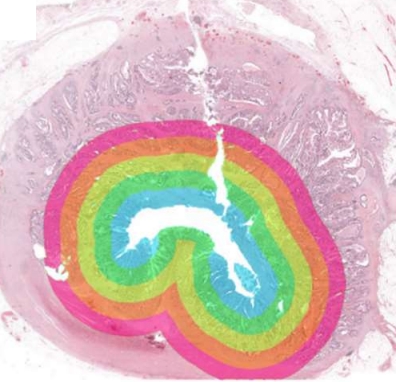
In this large international collaboration, co-lead with Alessandro Lugli from Bern, sponsored by the KWF, John-Melle Bokhorst was able to develop a tumor budding algorithm, which could subsequently be used to elucidate biological conundrums in tumor budding scoring (Tariq Haddad) and to gain insight in the clinical value of this scoring (Sonay Kus Oztürk). Further research on this topic is done by Heng Zhang and Yao Shu.
Signet ring cell carcinomas
In this project, a collaboration with Joanne Edwards (Glasgow University) funded by the Radboud-Glasgow Collaboration Fund, Anne-Marie Vos investigates the biological background of signet ring cell carcinoma, including a detailed exploration of the microbiome.
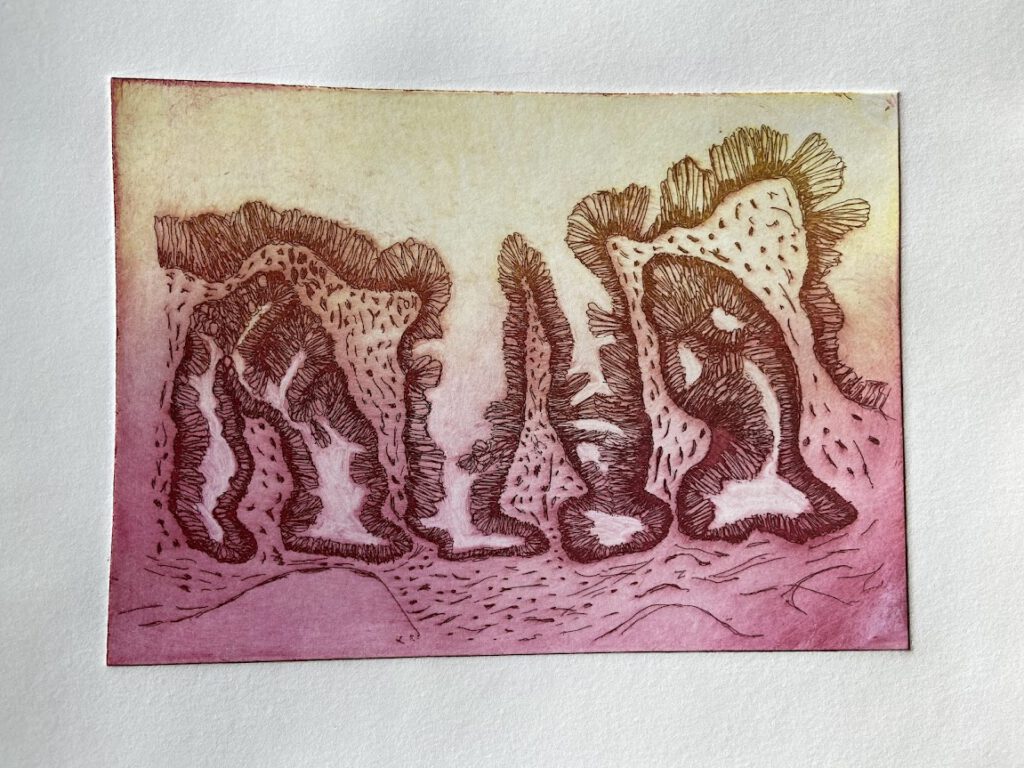
The serrated pathway…
This project was started by Yasmijn van Herwaarden in 2013 (supported by NWO) for her PhD project on Serrated Polyposis. Together with the group of Evelien Dekker (AUMC) and Joep IJspeert (NKI-AvL) and supported by the KWF we have been working steadily towards a better understanding of this intriguiing precursor lesion for colorectal cancer. Valentina Angerilli also works on this topic.
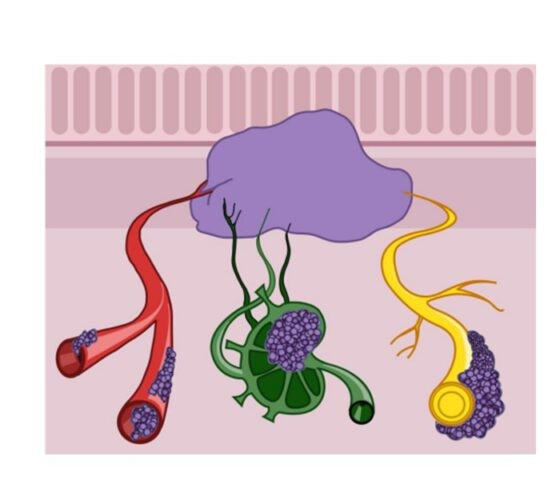
Modes of locoregional spread
This long running project started with the personal KWF grant from Nikki Knijn in 2011 and continued with the personal Radboudumc grant from Nelleke Brouwer (2019) and the KWF grant that supported the PhD project of Ayse Selcen Oguz Erdogan. Here we investigate the mechanisms by which primary CRC progresses towards distant metastases, with a major role for tumor deposits. Yao Shu will continue this project.
MMR and MSI
This project is focussed on directly improving diagnostic workup of patients with (risk on) colorectal cancer. The study of mismatch repair deficiency in cancer and precursor lesions is headed by Elisa Vink-Börger and side-projects are performed by Valentina Angerilli, partly in collaboration with the research group of Guus Bol at UMCU.
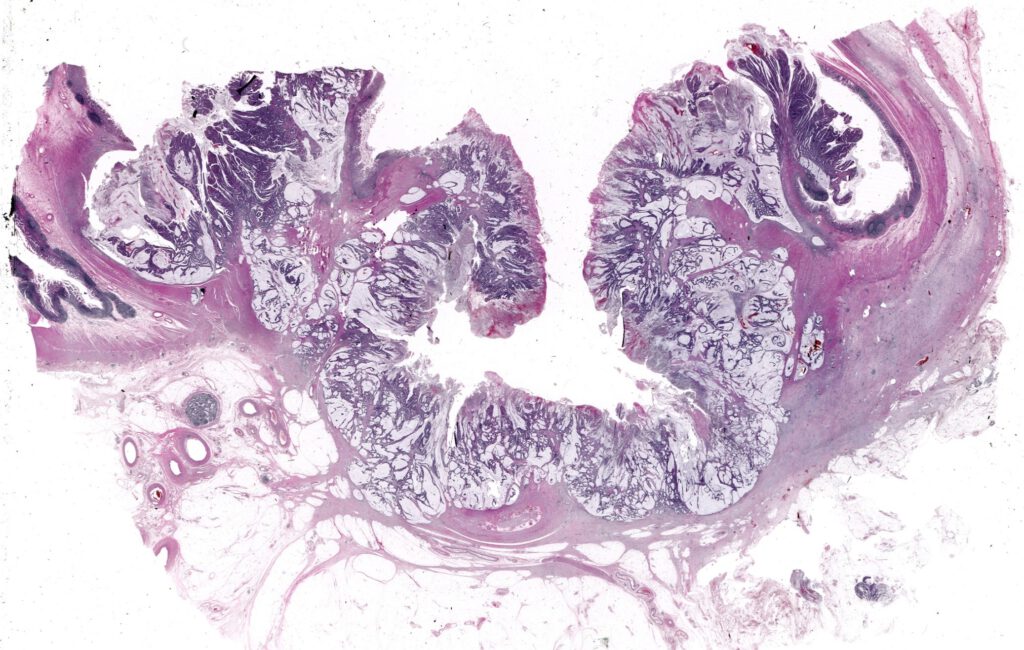
Mucinous carcinomas
This project started in 2012 by Niek Hugen, and we subsequently obtained a research from the MLDS foundation in for the work of Peter van Zwam. Mucinous carcinoma is the second most common form of colorectal cancer, but many biological and clinical features are as yet unknown. The work is currently being executed by Heng Zhang and Anne-Marie Vos.
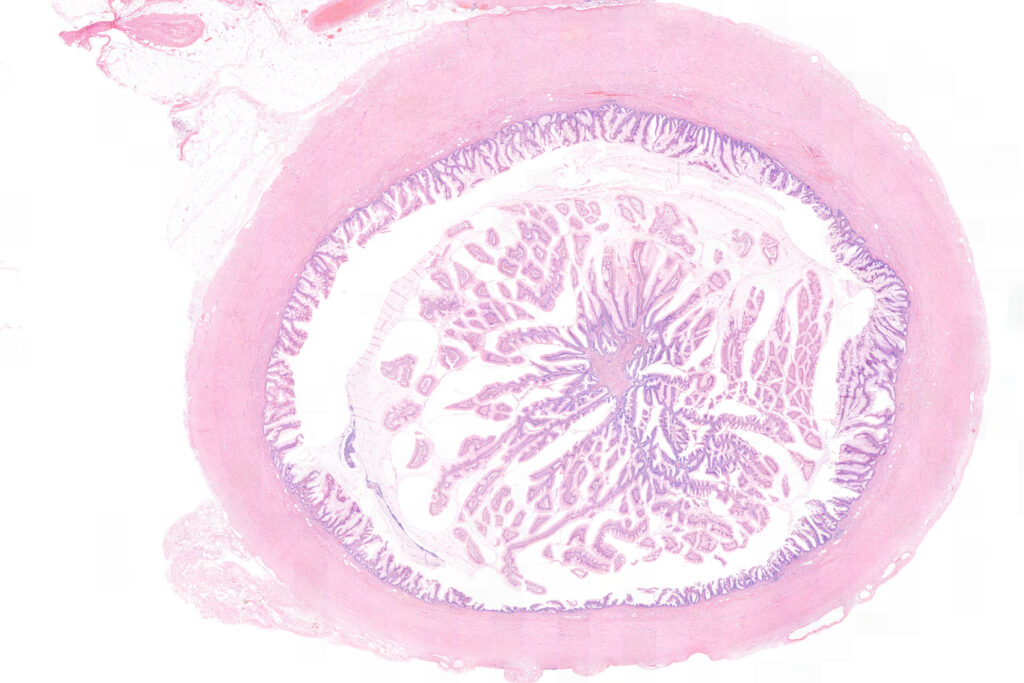
Tumors of the appendix
Tumors of the appendix are relatively rare and little is known about them. Together with Elske Gootjes of the Department of Medical Oncology we have started a project to study these tumors. Linda Krijgsman, one of our pathologists-in-training, is aiming on becoming one of the world’s experts in this field, starting with a PhD project.
2. Study hereditary cancer to understand gastrointestinal carcinogenesis
Advancing Care in Hereditary Diffuse Gastric Cancer
Hereditary diffuse gastric cancer (HDGC) is a rare inherited cancer syndrome caused primarily by mutations in the CDH1 gene, and less commonly in CTNNA1. These mutations disrupt cell adhesion in the stomach lining, increasing the risk of developing diffuse-type gastric cancer, which grows invisibly through the stomach wall and is difficult to detect early. Individuals with a germline CDH1 pathogenic variant also have an elevated risk of lobular breast cancer, especially women. Because early lesions often go unnoticed, people with HDGC are typically advised to undergo regular endoscopic surveillance or consider preventive surgery.
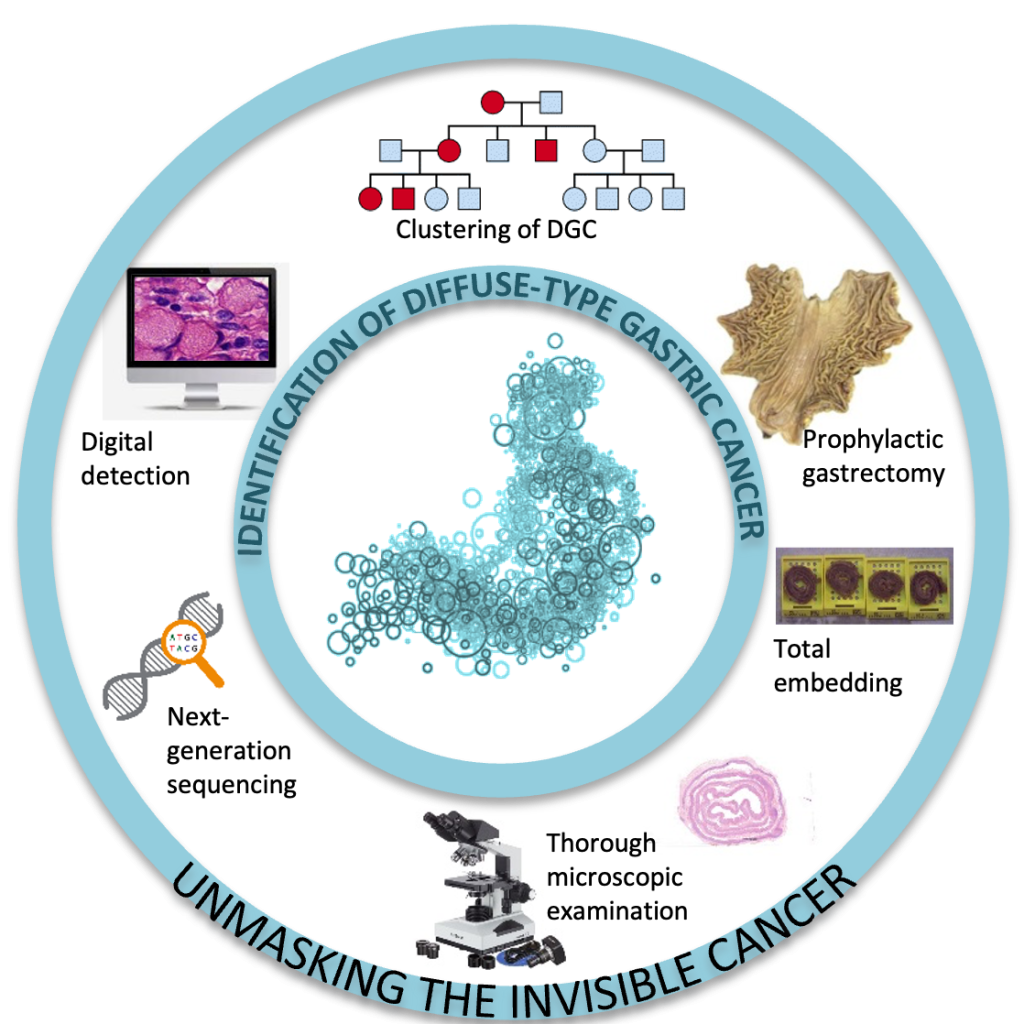
Over the years, we have built a multidisciplinary research program aimed at improving care for individuals with hereditary diffuse gastric cancer (HDGC). While many HDGC patients develop early-stage stomach lesions, only a minority progress to life-threatening cancer. Our goal is to better distinguish indolent from aggressive lesions—potentially sparing patients from unnecessary surgery. Insights from HDGC also help us understand sporadic diffuse gastric cancer.
Our research includes:
Histological studies using advanced imaging and artificial intelligence to analyze tissue structure and cell types. PhD candidate Robin Lomans develops AI tools to support pathologists in predicting lesion behavior, in collaboration with Francesco Ciompi (Computational Pathology expert, Radboudumc).
Endoscopic comparisons to identify visual features that help detect and classify lesions during stomach examinations. This work is led by gastroenterologists Dr Tanya Bisseling (Radboudumc) and Dr Jolanda van Dieren(AvL), with Larissa van der Sluis (PhD candidate) contributing to the project.
Molecular analyses, including spatial transcriptomics and exome sequencing, to uncover biological changes driving cancer progression. We use organoid models—miniature lab-grown stomach tissues—to test how specific genes and pathways influence tumor development. This is done in collaboration with Martijn Gloerich (UMCU) and PhD students Lars Kemp and Sofie Wijma.
This research is supported by the Dutch Cancer Foundation KWF (histological, molecular and in-vitro work), Hanarth Fund (AI research), Radboud Oncology Fund with the Louise Vehmeijer Foundation (endoscopic surveillance), and ZonMW (clinical fellowship for Chella van der Post).
Hereditary cancer in adolescents and young adults (AYAs)
The GERMAYA research project explores the genetic causes of carcinomas in adolescents and young adults (AYAs) aged 18–30. Although hereditary cancer syndromes (GENTURIS) are relatively common in this age group, germline genetic testing is not yet standard practice. By analyzing both germline and tumour DNA from a large, unbiased national cohort, the study aims to uncover known and novel genetic predispositions, deepen understanding of cancer development in AYAs, and provide clinical guidelines for integrating genetic diagnostics into routine care.
The project has a specific focus on prevention and personalized treatment based on inherited risk. It is conducted in collaboration with Dr. Richarda de Voer, Prof. Marjolijn Ligtenberg, Prof. Nicoline Hoogerbrugge (Department of Genetics), and PhD candidate Sofie van Uden.
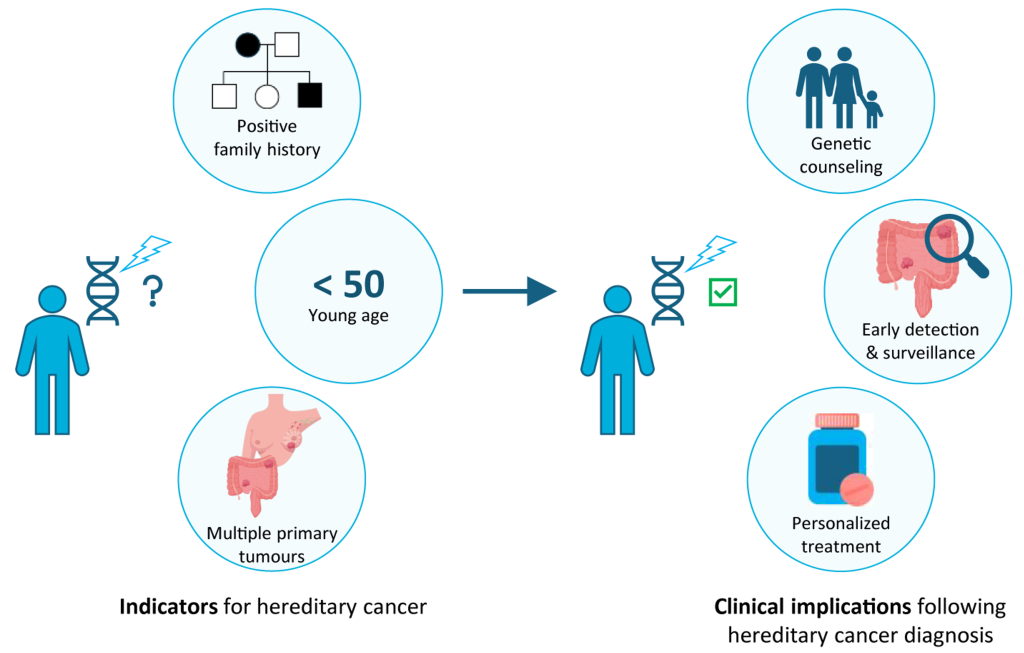
Research projects on rare hereditary tumor syndromes
We are actively involved in multiple research projects aimed at characterizing the tumor spectrum and molecular features of rare and ultra-rare multitumor syndromes. These include conditions such as Bloom syndrome, constitutional mismatch repair deficiency (CMMRD), and biallelic CHEK2 variants, among others. By studying these syndromes, we aim to uncover shared and unique biological mechanisms that drive tumor development, improve diagnostic accuracy, and guide personalized surveillance and treatment strategies for affected individuals.
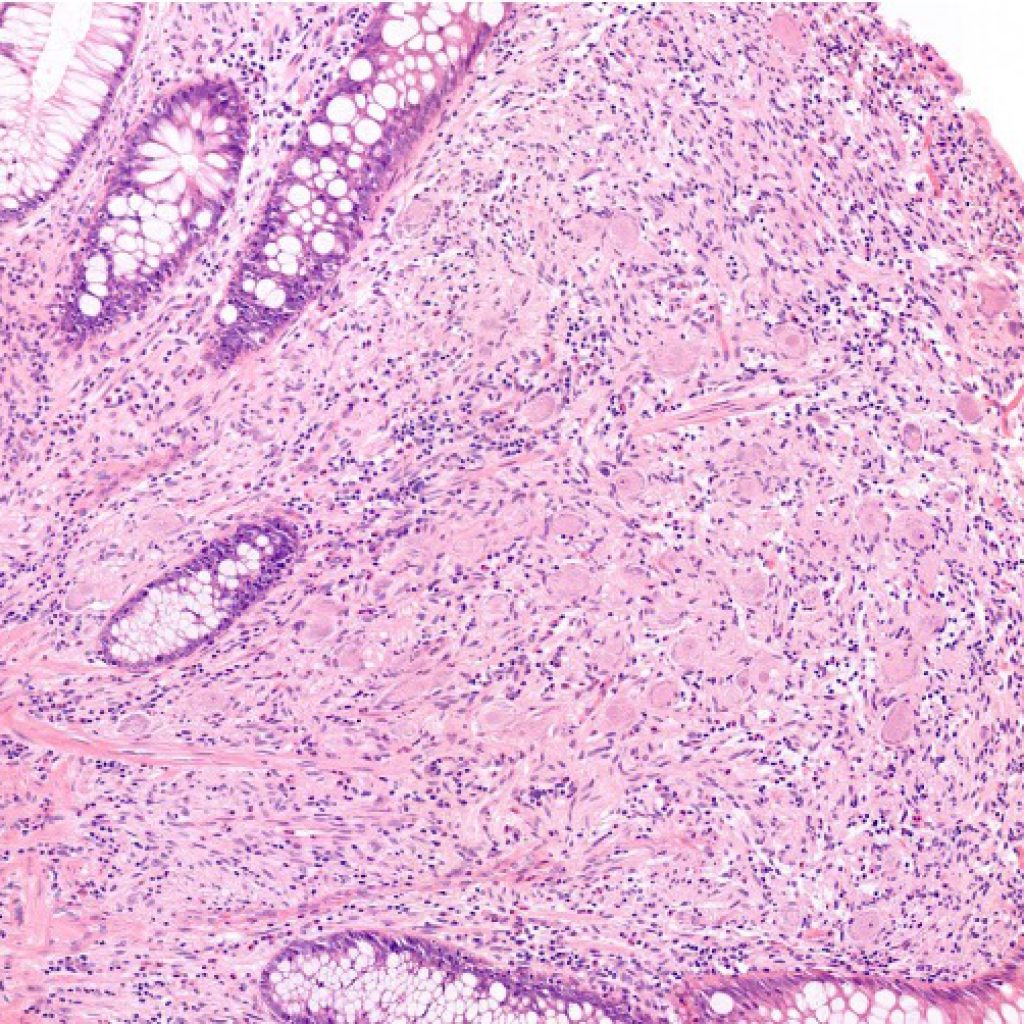
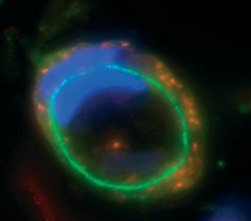
PTEN Hamartoma Tumor Syndrome (PHTS) is a rare genetic condition caused by mutations in the PTEN gene. It increases the risk of developing various benign and malignant tumors, particularly in the breast, thyroid, and gastrointestinal tract. To improve diagnosis and care for PHTS patients, we are involved in several research projects. One focus is on the histological features of benign gastrointestinal polyps, such as ganglioneuromas (image left), which are often seen in PHTS. Another project, supported by the PTEN Foundation, investigates the use of immunohistochemical staining in routine pathology to help identify undiagnosed patients. This international study is led by Dr. Peter Stanich, gastroenterologist at Ohio State University, and includes a cohort of patients from multiple centers.
3. Utilize the gut microbiome for prevention and early diagnosis
Bacterial oncotraits causing colorectal cancer?
In this project, funded by the Dutch Digestive Diseases Foundation (MDL fonds) we aim to unravel the contribution of gut bacterial oncogenic factors to the development of colorectal cancer in large cohorts of >10,000 individuals. Verona Colaco started as PhD-student on this project in March 2025 and will employ a multiplex technology to analyse the temporal relation of oncogenic bacterial secreted and cell wall attached factors.

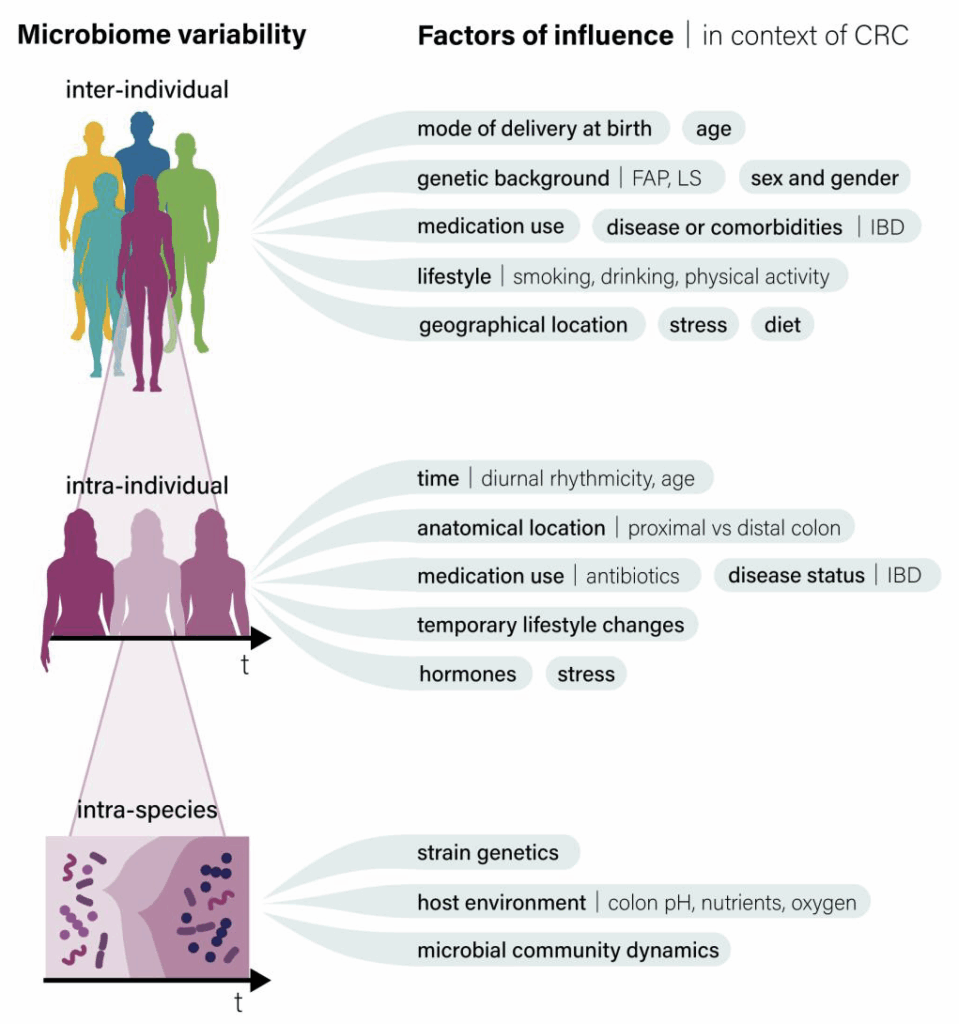
Gutting Ambiguity: delineating effects of microbiota on colorectal cancer in 2D models
PhD-student Floor Baas was granted an Radboudumc institutional grant to implement model systems to study host-microbe interactions in colorectal cancer. We have a special focus on the role of biofilms and patients with a high-risk for colorectal cancer such as Lynch syndrome and Ulcerative colitis. This work flows from former work by PhD-student Carlijn Bruggeling.
HEREDITARY
The HEREDITARY project, funded by the EU through Horizon Health program (https://hereditary-project.eu/), addresses the critical challenge of leveraging multi-modal health data to improve disease prevention, diagnosis, and treatment. At Radboudumc , with co-leads Francesco Ciompi and Nils Kohn, we perform multi-modal data integration including microbiome (Alem Gusinac), functional magnetic resonance imaging (Jeshua Trump) and histology. Agata Polejowska, PhD-student on this project, uses Artificial Intelligence (AI) models to analyze large-scale multimodal data and aim at connecting characteristics extracted from histological and genetic data.

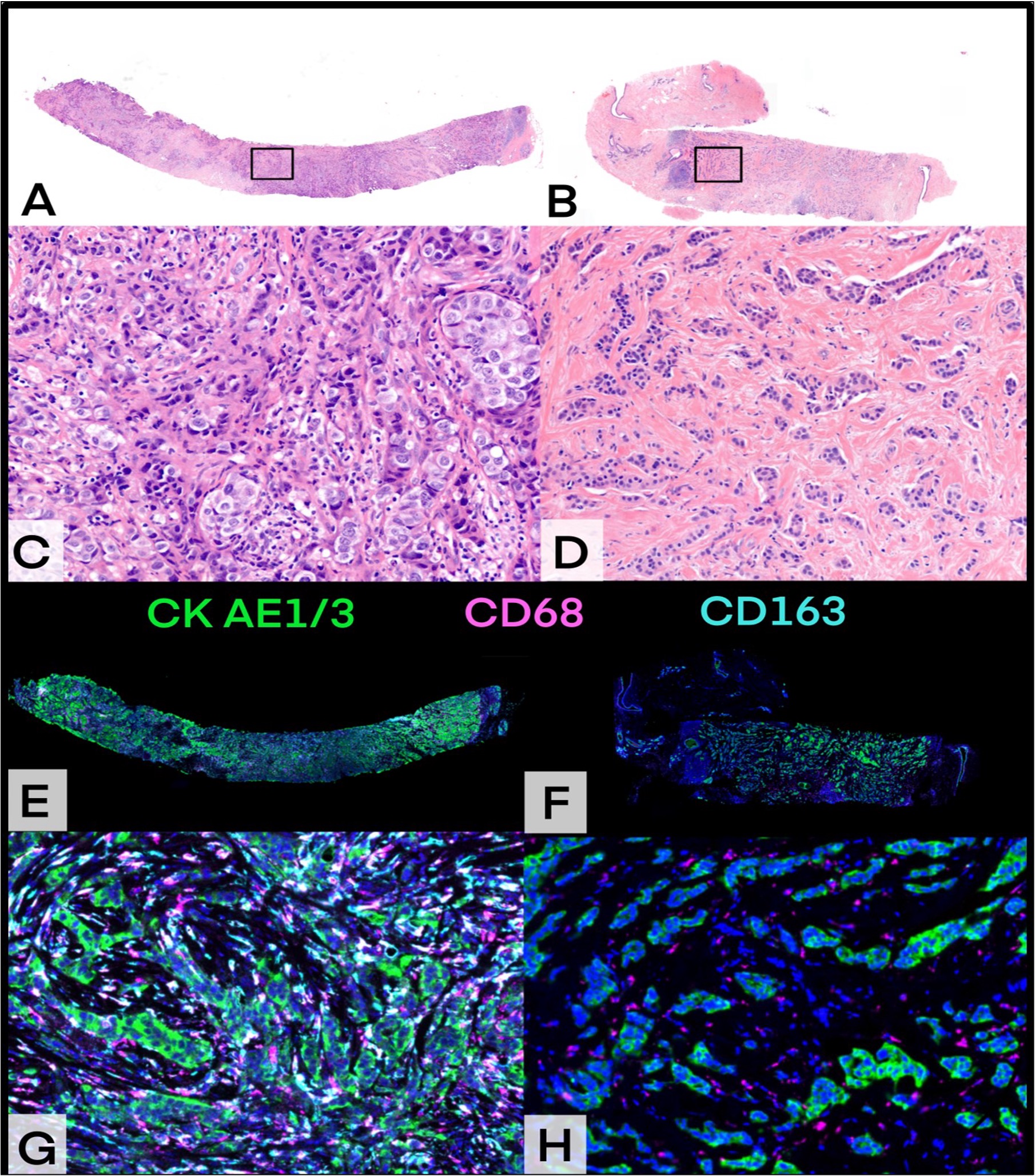
In situ Breast microbiome project
Neoadjuvant chemotherapy is effective in only 21% of women with breast cancer. It is therefore important to understand the factors that may influence outcome of neoadjuvant chemotherapy.
PhD-student Sabine Dieleman (at MUMC) aims is to identify the effects of neoadjuvant chemotherapy on the local breast and gut microbiome and how this influences the effectiveness of breast cancer treatment.
This project is funded by the Radboudumc-MUMC alliance fund and is performed in collaboration with Prof. Marjolein Smidts from MUMC.
ONCOBIOME
In view of the world-wide epidemic of cancer, which is linked to environmental and life-style factors, there is an unmet medical need in breakthrough concepts to understand the causes of neoplasia. Oncobiome was funded by EU horizon 2020. The team at Radboudumc is involved in the detection of incident cancers using characterization of the gut microbiome. Fecal samples from 2600 individuals in our Dutch screening cohort and from 150 Lynch Syndrome were analyzed for microbiota that can identify or predict precursors of cancer.
4. Understanding metastatic disease by understanding patterns of progression
Metastatic microbiome
Metastasis are the main cause of mortality for colorectal cancer. Increasing evidence shows that intestinal microbiota can effect CRC initiation and progression. However, it is less clear what their influence is on metastasis.
Our main aim is to provide a proof of concept for the functional relevance of either intestinal or hepatic microbiota on the formation and development of CRC liver metastasis. To this end we will compare primary and metastatic tumours form patients, and utilize an orthotopic mouse model for CRC metastasis.
This project is funded by the Dutch Cancer research foundation (KWF).
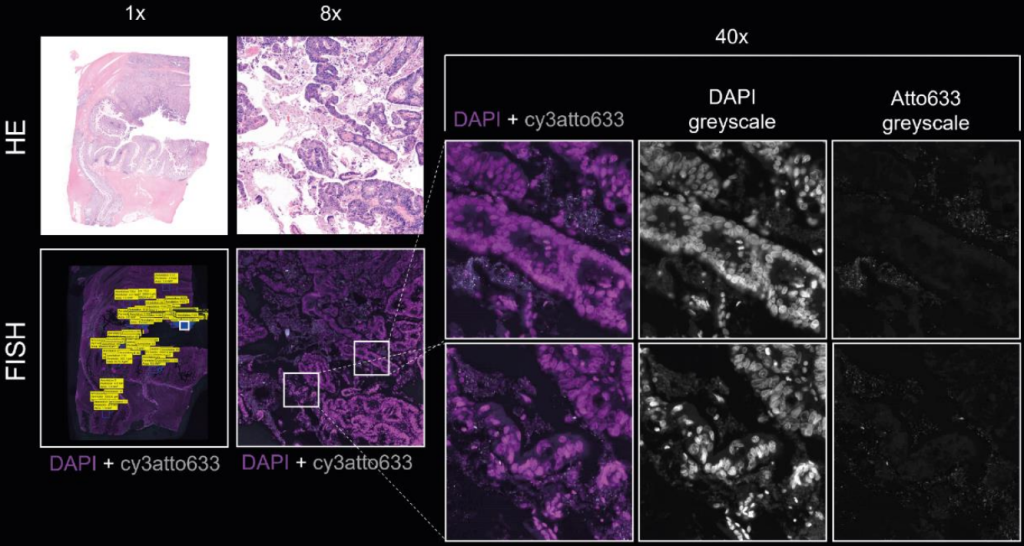
Metastatic patterns
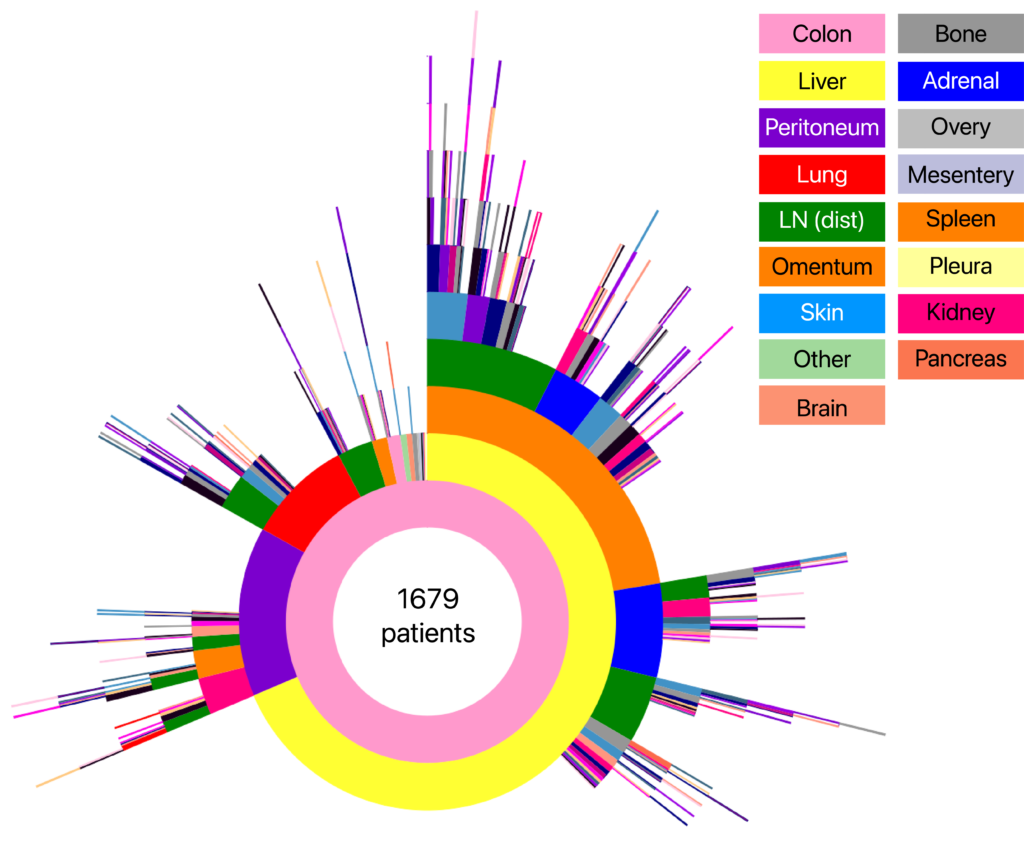
In this project, sponsored by the Hanarth foundation, Carmen Woortman together with Fatemeh Kazemzadeh investigate the occurence and relevance of different metastatic patterns during progression of disease in order to gain understanding in the entity of “cancer with unknown primary”. We also study metastases at strange locations, because little is known about mechanisms and prognosis of patients with these uncommon metastases.